Argentine tango · Residential intensives · Croatia
Step away.
Go deeper.
Find your tango.
A small-group learning experience with Sara Grdan & Iván Terrazas.

- 12 participantsAn intimate group
- Principle-based learningA deeper understanding
- Live & learn togetherAccommodation included
- Zagorje, CroatiaBeautiful surroundings
The Pathway
Understand the why.
Transform the how.
A progressive journey into body mechanics, geometry, energy and communication, for a more embodied, creative and connected tango.

-
01
Foundation 1
Body mechanics & partner geometry
Build a solid technical and conceptual foundation for a more free, balanced and expressive tango.
See the four days →Start here
-
02
Foundation 2
Spirals, curves & rotational systems
Deepen your understanding of circularity, intention and shared movement.
See the four days →Foundation 1 required
-
03
Special Topics
Focused explorations
Investigate key elements such as musicality, dynamics, embellishment and creative structure.
Ask us which suits you
-
04
Teacher Training
Observation, diagnosis & pedagogy
Develop the skills to see clearly, guide effectively and share tango with depth and integrity.
Foundation 1 & 2 required
Curriculum
Foundation before complexity.
Four-day Argentine tango intensive
Foundation 1
Foundation 1 gives dancers a coherent way to understand how tango movement is created. Across four days, participants connect individual mechanics to partner geometry, then use those principles to develop clearer direction, more adaptable movement and more reliable communication.
Day 1Body Mechanics: Axis and Articulation
We begin with the organization of the individual body. Participants examine how axis, articulation, weight transfer and functional tone produce clear forward, backward and lateral movement.
Technical focus
- Organizing the axis
- Articulation and weight transfer
- Walking mechanics
- Functional tone versus unnecessary tension
- Forward, backward and lateral movement
Applied integration
- Generating movement through the axis
- Coordinating the standing and moving body
- Maintaining alignment and stability
- Remaining responsive without losing organization
Day 2Cross and Parallel Systems
Day 2 places individual mechanics inside the geometry of the couple. Participants examine how cross and parallel systems change pathway, position, alignment, spacing and the movement available to each partner.
Technical focus
- Parallel-system organization and walking in front
- Outside-partner positions in the parallel system
- Cross-system organization
- Introduction to spiral and rotational organization
- Directional pathways and alignment
- Relative position and partner spacing
Applied integration
- Maintaining individual organization within the couple
- Preserving walking mechanics as partner geometry changes
- Creating space from the ground up
Day 3Tree of Tango: Building Simple to Complex Geometries
Tango geometry is developed progressively, beginning with linear pathways and expanding through spiral organization, circular pathways and simple turns. Complexity is built by adding biomechanical and geometric layers to principles already established.
Technical focus
- Linear pathways and navigation
- Curving linear movement
- Paradas, barridas and sacadas
- Simple turn structures
- Circular pathways
- Leader and follower spatial organization
- Maintaining axis through changing geometry
- Adapting turn structures
Applied integration
- Building complexity in progressive layers
- Connecting biomechanics, geometry and communication
- Maintaining stability as geometry changes
Day 4Connection, Communication and Direction
The final day examines how organized movement becomes shared movement. Participants connect energy, timing, tone and direction to understand communication as a physical exchange rather than a predetermined choreography.
Technical focus
- Communication versus choreography
- Establishing and maintaining connection
- Communicating direction through shared pathways
- Generating and modulating energy
- Timing and synchronization
- Matching tone without creating unnecessary tension
- Maintaining connection through instability and transition
- Communication in curved and rotated movement
Applied integration
- Creating internal coherence
- Applying universal principles through personal style
- Understanding movement through WHAT, HOW and WHY
- Applying the same communication principles across linear, curved and rotated systems
Foundation 1 progresses from organizing the individual body to understanding the geometry of the couple. Participants then use those foundations to build more complex movement and develop communication that remains clear as direction, position and dynamics change.
Download the Foundation 1 curriculum (PDF)Four-day Argentine tango intensive · Foundation 1 required
Foundation 2
Foundation 2 revisits the organizing principles of Foundation 1 and extends them into spiral body mechanics, curved pathways and rotational systems. Across four days, participants learn to generate rotation through coordinated whole-body organization, adapt partner geometry as direction and radius change, and distinguish between turns organized around a common center and those organized around one dancer's axis.
Day 1Foundation 1 to Spiral Organization
The intensive begins by reconnecting the principles of Foundation 1 to the demands of curved and rotational movement. Axis, articulation, weight transfer, partner geometry and communication are reviewed, then reorganized to support coordinated spiral movement.
Technical focus
- Axis, articulation and complete weight transfer
- Cross- and parallel-system organization
- Partner spacing, alignment and directional pathways
- Spiral organization through the whole body
- Sequencing rotation without forcing the pivot
Applied integration
- Preserving individual organization inside rotation
- Connecting spiral mechanics to partner communication
- Distinguishing functional tone from rotational tension
- Maintaining clarity as direction changes
Day 2Spiral Body Mechanics and Curved Movement
Day 2 develops coordinated spiral movement through the feet, legs, pelvis, spine and upper body. Curved movement is examined as a continuous relationship between internal mechanics, pathway and partner geometry.
Technical focus
- Initiating spiral movement from the floor through the standing leg
- Spiral sequencing through the body
- Forward, backward and lateral movement on curved pathways
- Circular weight transfer and pivot mechanics
- Inside and outside positions relative to the curve
- Managing radius, direction and changing alignment
Applied integration
- Producing rotation without disconnecting the body
- Preserving the embrace through curved movement
- Coordinating different pathways and travel distances
- Adapting tone, timing and energy to changing radius
Day 3Turns Around a Common Center
The couple now organizes around a shared center. Participants study how both dancers travel through related circular pathways while maintaining their own axes, a coherent embrace and continuous communication.
Technical focus
- Establishing and locating a common center
- Leader and follower pathways around the center
- Forward, side and backward rotational steps
- Giro - or turn - structure and circular sequencing
- Radius, spacing and relative position
- Energy generation and redirection in continuous turns
- Entering, sustaining and exiting rotation
Applied integration
- Maintaining two clear axes within one rotational system
- Synchronizing unequal pathways and travel distances
- Changing direction without losing the shared center
- Building adaptable turns rather than fixed sequences
Day 4Turns Around a Single Axis
The final day examines rotational systems organized around one dancer's axis. Participants learn how the moving partner travels around a stable center while both dancers manage spiral mechanics, energy, geometry and connection.
Technical focus
- Establishing one dancer's axis as the rotational center
- Organizing the moving partner's circular pathway
- Spiral mechanics for the central and traveling partners
- Managing distance, radius and rotational energy
- Maintaining axis during changing partner position
- Transitions as the rotational center changes
- Controlled entry, continuation and exit
Applied integration
- Connecting single-axis turns to common-center turns
- Maintaining communication through asymmetrical movement
- Modulating energy without pulling or collapsing
- Applying WHAT, HOW and WHY to rotational choices
- Developing personal expression without losing structure
Spiral organization > Common center > Single axisFoundation 2 develops the mechanics and spatial understanding required for adaptable rotational movement. Participants progress from coordinated spiral organization to turns in which both dancers move around a common center, and then to turns organized around one dancer's axis. Throughout the intensive, the objective remains the same: to preserve clarity, stability and communication as direction, radius and partner relationship change.
Download the Foundation 2 curriculum (PDF)Next programmes
Dates
Accommodation included, meals not. Enquire on WhatsApp to save your place.
- 3 – 6 Dec2026 · Next up Tango - Foundation 2 Four-day intensive · Foundation 1 requiredFull details → from €800 Ask on WhatsApp
- 4 Jan – 28 Feb2027 Argentine Tango Teacher TrainingFull details → from €2,000 Ask on WhatsApp
- 1 – 4 Apr2027 Tango - Foundation 1 Four-day intensive · Open to allFull details → from €800 Ask on WhatsApp
- 14 – 23 Aug2027 Argentine Tango Teacher TrainingWith Ivan Terrazas and Sara GrdanFull details → from €2,000 Ask on WhatsApp
- 21 – 24 Oct2027 Tango - Foundation 1 Four-day intensive · Open to allFull details → from €800 Ask on WhatsApp
The Experience
Stay a little closer to the process.
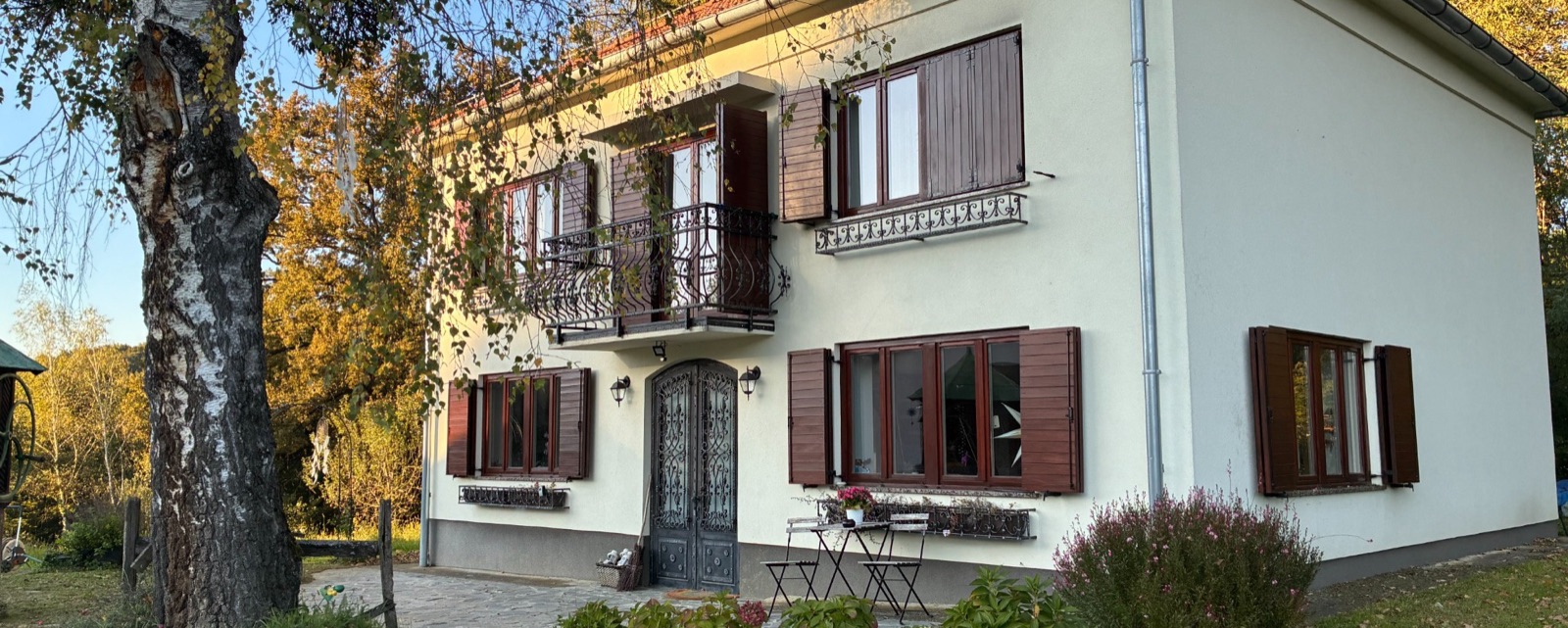
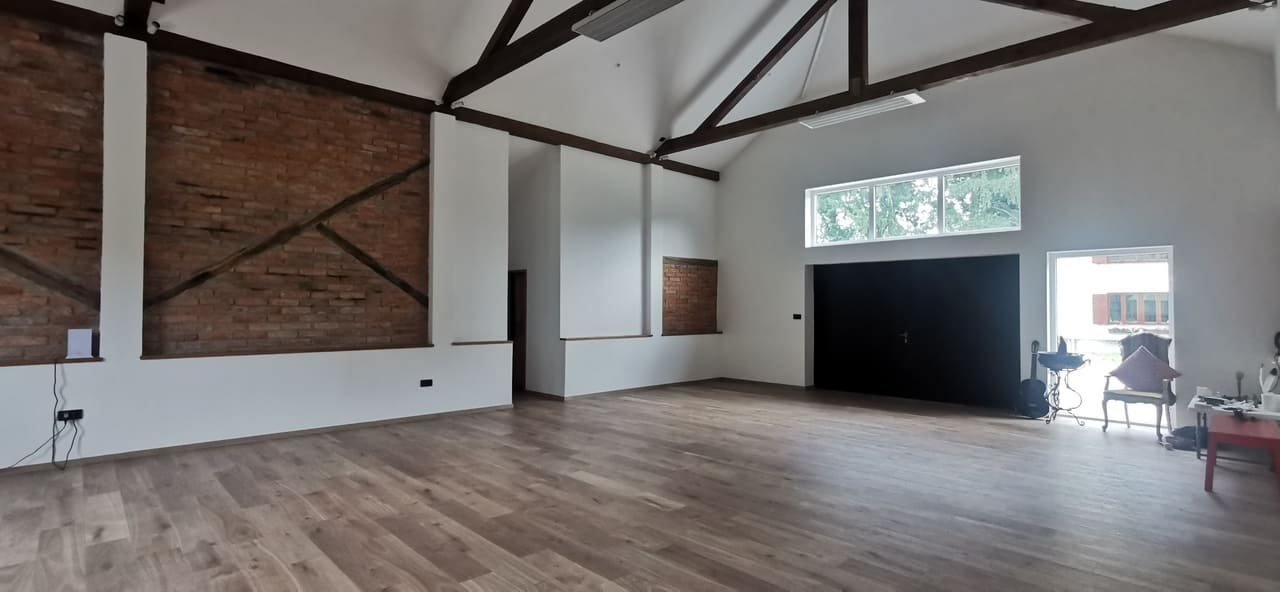
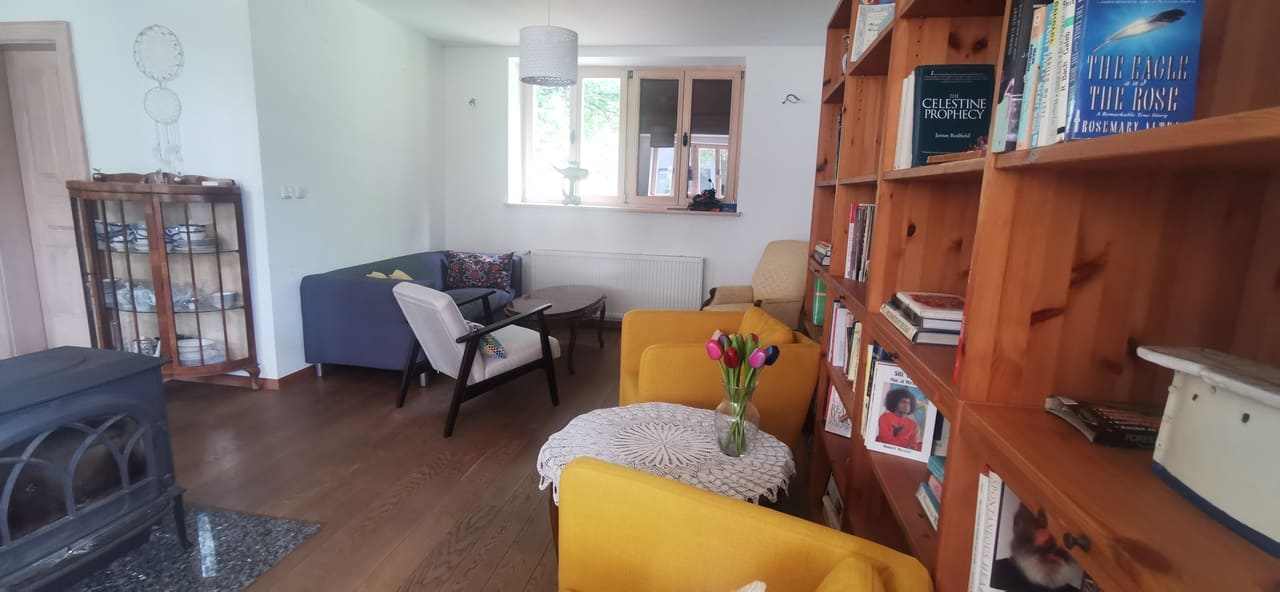
Live, practise and learn together in the peaceful countryside of Zagorje. A chance to immerse yourself in tango, surrounded by nature, good company and the space to go deeper.
Your Teachers
Sara Grdan & Iván Terrazas
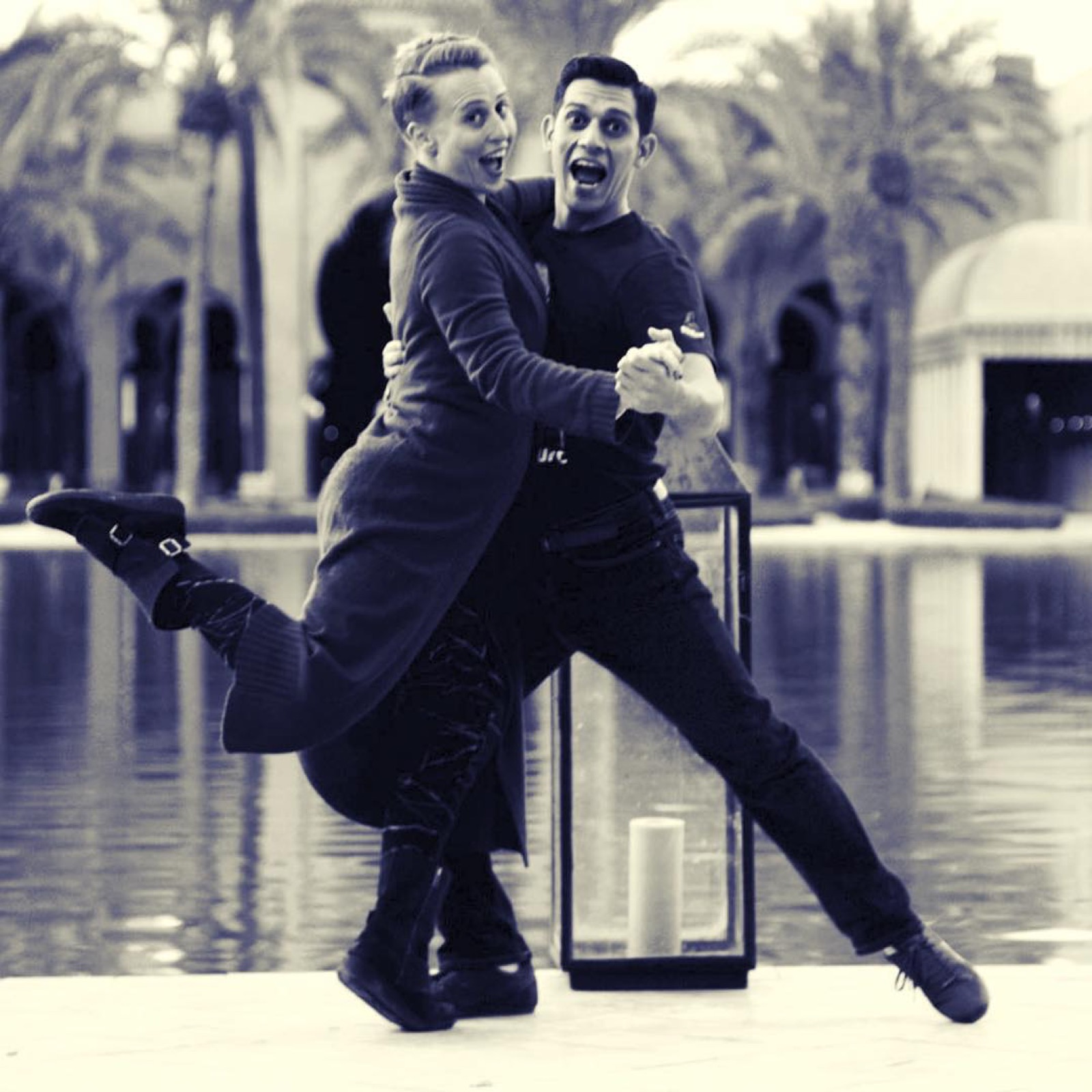
Sara and Iván dance, perform and teach together as Feral Tango. Their teaching looks past steps to the principles underneath them: how the body organises itself, how two bodies share an axis, and how intention becomes movement.
See them perform on feral-tango.com →Good to know
Before you come
Foundation 1 & 2
Is this program right for me?
Foundation 1 and Foundation 2 are designed for dancers who want to break habits, strengthen their understanding, and build a more connected, adaptable tango. The semi-private format allows us to give you individual attention while working with the specific questions that matter to you.
What is the training schedule?
Each foundation is a four-day intensive with approximately five hours of guided work per day: usually 2.5 hours in the morning and 2.5 hours in the afternoon. The remaining time is available for partner practice, individual work, rest, and integration. We change partners frequently so participants can experience how different people organize and communicate movement.
How many participants are accepted?
Each program is limited to a maximum of 12 participants. The small-group format supports individual attention, role balance, focused feedback, and a strong learning community.
Do I need a partner?
No. A partner is not required. Participants rotate during the training so that everyone develops adaptable communication and avoids learning only one partner’s habits.
What is the relationship between Foundation 1 and Foundation 2?
Foundation 1 establishes the shared principles and language of the pathway. Foundation 2 builds directly on that work; Foundation 1 is therefore required before attending Foundation 2.
How much does the intensive cost?
The tuition for each four-day intensive is €800 per person. A €200 deposit is required after your application has been reviewed and your place confirmed, and the remaining deposit €200 is due six weeks before the intensive. The balance of €400 is to be paid during the intensive.
How do I apply?
The Google application form will be provided in the information email. Deposits are refundable until six weeks before the intensive. If you cancel later, the deposit can be transferred to another FeralTango intensive.
Accommodation & residential life
How do I reach the residential center?
The retreat center is in Konjščina, northern Croatia, approximately one hour from the Hungarian border. If you are flying, the closest major airport is Zagreb, about 60 km away. Send us your itinerary after purchasing your ticket so we can help arrange transport. You are also welcome to rent a car at Zagreb Airport.
What is the accommodation like?
Residential participants share double-occupancy rooms in a four-bedroom, 2.5-bath house. The main floor includes an open kitchen, dining room, and living room. Outdoor seating and a fire pit are available for meals, relaxation, and evening conversations. The property offers space for work and rest in a secluded countryside setting.
Can I stay at Zagyland Hotel?
Yes. Participants may stay at Zagyland Hotel at a discounted rate. Availability, pricing, and booking instructions will be provided in the information email.
Is food included?
Food is not included. Participants may prepare meals in the shared kitchen. Supermarkets are within approximately 20 minutes by car, including a couple in Konjščina. There are also a bakery, several restaurants, and local food options nearby.
Can I extend my stay?
You are welcome to arrive the day before and leave the day after at no additional cost. If you would like to stay longer or include private lessons, contact us at feraltango@gmail.com to discuss availability.